Snooker Betting in New Zealand
 Available in US

Snooker has quietly become one of the more interesting sports on the New Zealand betting calendar. The World Snooker Championship runs for seventeen days every spring, the Masters turns the sport into a January showcase, and a packed tour schedule fills the gaps. New Zealanders have always followed the sport, and the recent legal change has reshaped where a Kiwi punter can place a bet on it.
This guide walks through that change, what snooker betting actually involves, and what it costs a bettor at the end of a session. The angle is cost — not the cost of a losing bet, but the cost built into every price by the bookmaker’s margin, the cost a bonus bet adds to that margin, and the cost a New Zealander takes on by going outside the legal framework. Every figure quoted below comes from research and is verified against the same source. The current data reflects checks against the Department of Internal Affairs’ public register and TAB NZ’s published terms as of October 30, 2026.
Live Snooker Betting and Cash Out: How In-Play Markets Really Work
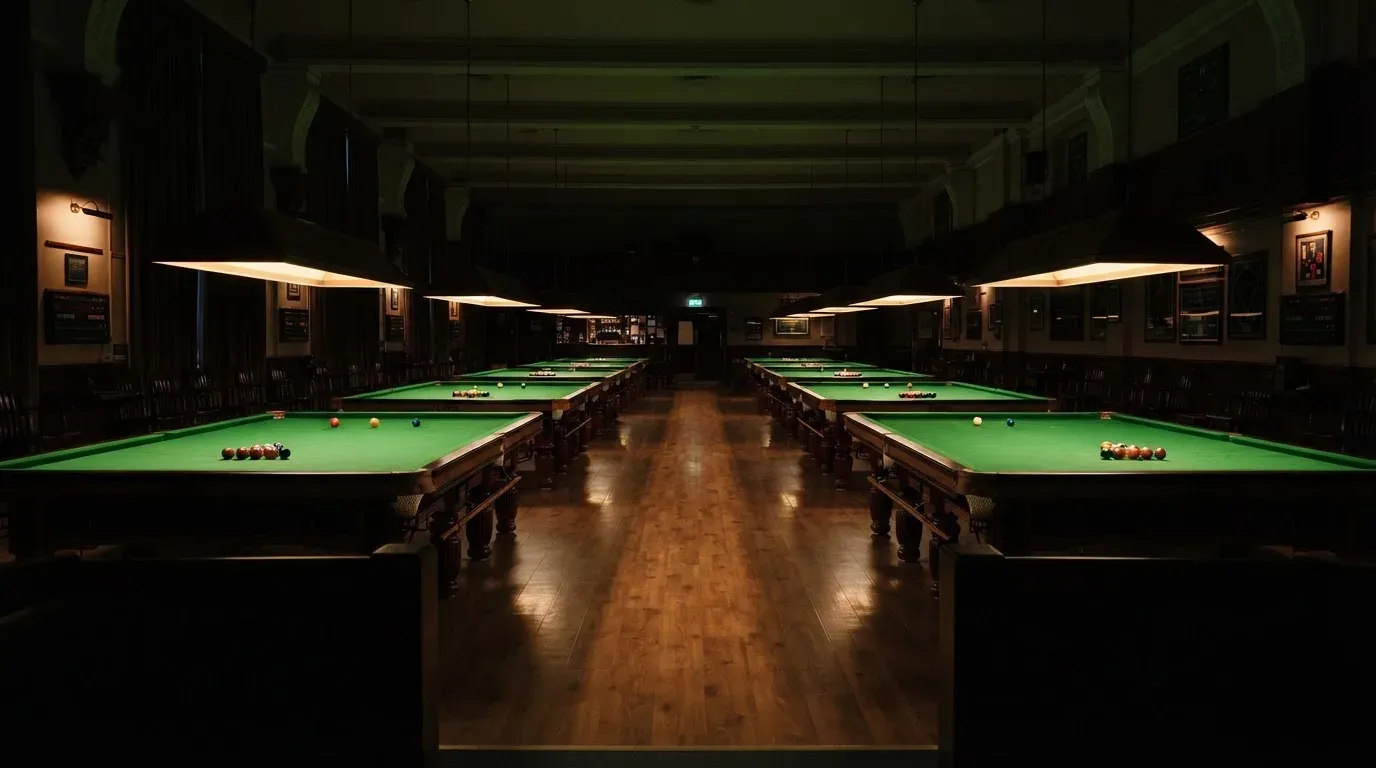
The betting market is a frame-by-frame wagering environment, and the snooker schedule makes it one of the more accessible in-play sports to follow. Most professional matches are best of 7, 9 or 11 frames, so a bettor can watch a session and place wagers between frames — at minimum, three gaps in a best-of-7, five in a best-of-9, more in the longer formats that the World Championship uses at the Crucible. A match can be live for three hours or more, plenty of time to think.
The available markets in-play follow the same structure as pre-match snooker. Match winner, frame winner after a completed frame, the next-frame winner from the current break, total frames over/under a stated line, handicap lines on frames (for instance, +3.5 frames for the underdog in a best-of-17), and player-specific props on century breaks or highest break in the match. The simplest prop — next frame to X player — is the one most beginners pick, because the watch is fresh in the mind and the price moves quickly.
Cash out is the feature that turns live snooker from spectator into asset. The bookmaker offers to settle the bet before the event is finished, at a price derived from the current state of the match. Priced 1.90 on a player before a match, that player leads 5-3 in a best of 9, and the bettor takes a 1.45 cash-out value rather than wait the frames out. The reverse applies: the same player now trails 3-5, and the cash-out value drops below the original stake — the bettor cuts the loss or rides the frames. The feature costs the bookmaker nothing the bettor has not already given them: every cash-out price is recomputed using the same margin the operator charges on the in-play market.
How live snooker odds move between frames tells the story. A frame winner before a session starts will typically be priced 1.85 / 2.00 against the favourite. After the favourite takes the first frame, the same line for frame two opens at around 1.30 / 3.40, then drifts toward 1.50 / 2.60 as the match play settles. The bookmaker is not gambling — the implied probability of both outcomes always exceeds 100% before the operator’s margin is layered in. Below is the worked example for an illustrative two-way frame market priced at decimal odds 1.90 / 1.90, the snapshot the page uses throughout:
Payout share: 1 ÷ (1/1.90 + 1/1.90) = 1 ÷ 1.0526 = 0.95, or 95%. Margin: 1 − 0.95 = 0.05, or 5%. Stated as a band, that margin runs 4–6% across the major snooker pre-match and in-play markets under normal liquidity; the lower the liquidity (a smaller-tier event, less popular matches), the wider the band. A 1.85 / 2.00 line carries a margin of about 5.3%; a 1.70 / 2.20 line carries roughly 7.7%. The punter pays that margin on every dollar bet, in every market, frame after frame.
For the bettor, three practical points hold across operators. First, the in-play market is the deepest early in a frame and thinnest mid-frame, so prices move fast in the seconds a player sits down between visits. Second, in-play cash-out is a settlement choice, not a free option: taking it locks in a known price and gives up the chance of a longer winning run, so the operator’s margin is paid as surely by a cashed-out bet as by one held to settlement. Third, the live-bet feature is a TAB NZ app feature on both its brands and is offered by the unlicensed bookmakers reviewed below as a competitive pitch — meaning the punter comparing what he pays for the same line is comparing margin, not feature availability.
Snooker Betting Predictions and Strategy: Why a Tip Sheet Cannot Move the Margin
The snooker betting tips market is large and largely worthless. Most “snooker betting predictions” sites publish a tip per match and track their strike rate; a 55% strike rate at average odds of 1.85 returns the tipster about 1.75% on turnover before the losing months arrive. The same 5% margin the bookmaker charges on every line is the one the tipster is fighting, and a tip has no edge against a margin the operator can change tomorrow.
A betting “system” adds another layer of cost. The Martingale progression doubles the stake after every loss to recover the lot on the next win. A 1.85 average line needs roughly seven consecutive losses for the stake to climb into territory the bankroll will not fund, and snooker offers enough upsets in a calendar year that the system breaks down on real fixtures. A Kelly-criterion staking model is the only framework a serious bettor uses, and it produces a target stake of 1-2% of bankroll per bet at the average edge a model can find; with no edge above 5% on major snooker lines, Kelly produces stakes that are tiny relative to the fun the bettor is having.
The honest framing is this. A bankroll management rule buys the bettor time, not picks. A prediction service that promises a winning tip is paid for by subscription and is profitable for the operator, not the buyer. The bookmaker’s margin — that 5% — is the one certainty in every frame, and no strategy makes it go away. The punter who treats prediction services as one input among many, banks the data himself, and reads form has a fighting chance; the punter who buys a “system” trades his time for someone else’s marketing budget.
Bankroll matters more than forecasts in a sport where 80% of matches at minor tour level go to the higher-ranked player. A flat 1% stake on the higher-ranked player across a year of frame handicap bets returns roughly 1-2% on turnover at a 5.3% margin, before the months the model gets wrong. A flat 2% stake sharpens the returns and the drawdowns in equal measure. This is a sport for bettors with a small budget who want to bet the long run, not chase the frame.
Snooker Betting Markets and Odds: What Every Priced Line Costs
Snooker offers more market variety than the television cameras suggest. Pre-match, the stand-out markets are match winner, frame handicap, total frames over/under, correct score, first-frame winner, highest break band, total century breaks in the match, and player to win the next session. Each carries its own margin, and the margins vary.
Match winner and outright tournament winner are the deepest markets on the snooker calendar and the cheapest by margin. A pre-match match winner priced 1.85 / 2.00 carries about 5.3% margin, close to the lower edge of the band. Outright tournament winner is deeper still: a 2025 UK Championship priced around 7.00 the field gives a margin closer to 4%. Frame handicap and total frames carry 5-7% margin on a balanced book. Player props — first to make a century, highest break over/under a stated line — carry 8-12% margin because the sample size on a single match is small and the bookmaker’s model can run wider.
How the payout works is the part every punter must know. Decimal odds of 2.10 mean a $10 stake returns $21 — the $10 stake plus $11 profit. Decimal odds of 1.50 mean a $10 stake returns $15. A multi combines legs by multiplying their decimal odds: a three-leg multi at 1.85, 1.95 and 2.10 carries a combined price of 7.57. Each leg’s margin compounds the others, so a three-leg multi drawn from markets each carrying 5% margin produces a combined price whose true payout share is around 85.7% — meaning the punter needs to win roughly 86% of multis to break even. The hex on the multi bet is exactly that compounding.
Each-way betting is the format the British and Australasian sports use for outright winner markets. A $10 each-way bet splits to $5 win / $5 place. The place dividend typically pays 1/4 odds for the top three finishers in a major field, and 1/5 odds for the top four finishers in the largest tournaments. The place terms are operator-level and need to be checked before staking; the bookmaker’s margin on the place portion runs at least as high as the margin on the win portion.
The cheapest framing on offer prices is the one bookmakers never advertise: lines of 1.85 / 2.00 carry the same 5.3% margin as lines of 1.50 / 3.50, and lines of 1.20 / 4.50 carry about 6-7% margin. A favourite at long odds is the friendliest line a bookmaker offers, and the customer who always backs the favourite at short odds is paying the highest compounded margin of any punt style. A bookmaker’s margin is sitting in every priced line the punter sees, and the cheapest place to find it is the bottom of the favourite/longshot price spread.
| Operator | New Zealand status | Key terms on live betting and snooker markets |
|---|---|---|
| TAB | TAB NZ brand — the only provider lawfully offering racing and sports betting to people in New Zealand | Live betting listed in the TAB NZ app, fixed-odds and tote (pool) products, Multis and Same Game Multis, no in-play restriction recorded |
| Betcha | TAB NZ brand — the only provider lawfully offering racing and sports betting to people in New Zealand | Same operator as TAB, runs under Entain New Zealand Limited, app first released 6 August 2024 |
| BetNinja | Not licensed in New Zealand | Sports offer a 100% match up to EUR 100 on first deposit (research shows a separate casino package); snooker coverage and live in-play markets not documented |
| Alawin | Not licensed in New Zealand | Sportsbook covers football, tennis, table tennis, basketball, ice hockey, American football and baseball; snooker and live snooker in-play markets not documented |
| 22Bet | Not licensed in New Zealand | Over 30 market types per event including 1X2, totals, both teams to score, correct score, HT-FT; snooker market depth and live in-play availability not documented |
| BetAlright | Not licensed in New Zealand | Sportsbook covers football, tennis, table tennis, basketball, ice hockey, American football and baseball; snooker and snooker live markets not documented |
| Sportaza | Not licensed in New Zealand | Cash out before settlement, Bet Builder with whole-betslip voiding on a single voided leg, multiples, Asian lines, interval markets in 1/5/10/15 minute ranges; snooker depth not documented |
| BillyBets | Not licensed in New Zealand | Casino and sportsbook under one account; football, tennis, basketball, ice hockey, baseball, combat sports, esports, virtual sports and live betting; snooker coverage not documented |
| RoyalistPlay | Not licensed in New Zealand | Top sports on the sportsbook are football, basketball, tennis, handball, ice hockey, volleyball and table tennis, with e-sports and Predictions sections; snooker and live markets not documented |
| Telbet | Not licensed in New Zealand | Crypto casino and sportsbook with a 200% up to 1 BTC plus 50 free spins offer documented on a regional site; snooker markets and live betting terms not documented |
Snooker Tournaments and Where They Sit in the Calendar
The World Snooker Championship at the Crucible Theatre in Sheffield is the apex of the calendar. Ranging from best of 19 frames in the first round to best of 35 in the final, the tournament runs seventeen days and The champion receives 500,000 GBP from a prize fund of 2.395 million GBP at the 2026 edition. Wu Yize beat Shaun Murphy 18-17 in the final of the 2026 World Championship, played from 18 April to 4 May at the Crucible; the ticket prices for that match were set by the WPBSA. The Crucible has hosted the event since 1977, and the venue’s small capacity makes for an in-play market that holds liquidity throughout.
The Masters is the January invitational that pulls the top sixteen players in the world into Alexandra Palace. Field strength beats the World Championship in a way the betting market recognises: outright winner margin on the Masters field runs below 4% in the close-out markets, the deepest on the snooker calendar outside the World Championship itself. The UK Championship at York and the Champion of Champions at Bolton round out the four majors the snooker-betting calendar turns on.
The China Open, German Masters, Welsh Open, Scottish Open and English Open are the second-tier ranking events; each pulls a 128-player field and offers outright winner market depth similar to the Masters. The China Open draws the most international attention in the Asia-Pacific window and is the closest first-rank equivalent for New Zealand punters watching an overnight broadcast. The Players Championship, Tour Championship and Shoot Out sit one tier below and pull smaller fields and thinner outright markets.
What snooker wagering looks like at the table shapes each market. A best-of-9 match has a mean total frames of around 6.5 — the favourite takes 5-4, 5-3 or 5-2 outcomes more often than the reverse. A best-of-17 match has a mean closer to 9.5 frames. The total-frames market shifts its lines accordingly: a best-of-9 match gets priced around 5.5 frames; a best-of-17 around 9.5. Each shift is operator-driven and needs a check at the betting slip.
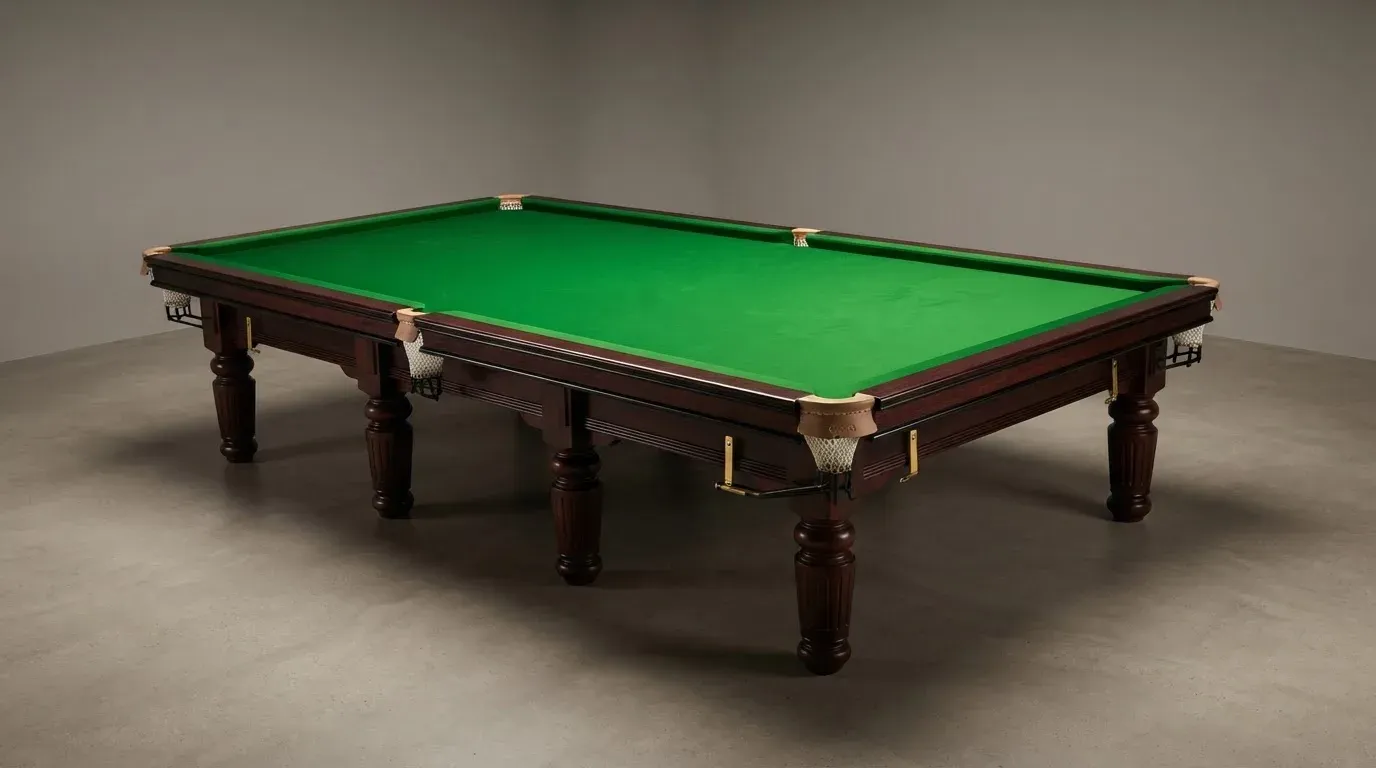
The format behind the sport is short to memorise. Snooker is played with 22 balls: a white cue ball, 15 reds worth 1 point each, and six colours worth yellow 2, green 3, brown 4, blue 5, pink 6 and black 7. The maximum break is 147, made by potting all 15 reds with blacks and then all six colours — the so-called “maximum”. A full-size snooker table is 12 ft by 6 ft with six pockets; Stephen Hendry and Ronnie O’Sullivan have each won seven world championships in the modern era, with Joe Davis winning 15 in a row from 1927 to 1946 before the modern game took shape. The WPBSA governs the professional game and owns the official rules; the IBSF governs the amateur ranks.
Best Snooker Betting Sites in New Zealand: A Reviewer-Style Walk-Through
New Zealand punters comparing where to bet on snooker face a smaller choice than the international list suggests. TAB NZ holds the legal monopoly on sports and racing betting in the country — and the two online brands that flow from that monopoly are TAB itself and Betcha. Below that line, every brand is operating in the offshore space: an overseas-licensed bookmaker taking bets from a person in New Zealand is in breach of section 74AAA of the Racing Industry Act 2020, which took effect on 28 June 2025. The Department of Internal Affairs told providers serving New Zealand to withdraw with immediate effect on that date.
That frame shapes this review. TAB and Betcha are assessed under New Zealand consumer safeguards, the operator’s own safer-gambling tools and TAB NZ’s published margin behaviour. The remaining operators are assessed on the strength of their snooker markets, their live-betting products and their published terms — without a New Zealand licence, none of them offers the local complaints route, the harm-minimisation framework or the deposit-limit / time-out / self-exclusion tools the TAB NZ apps ship.
TAB
TAB is the only provider lawfully offering racing and sports betting to people in New Zealand under section 74AAA of the Racing Industry Act 2020, in force since 28 June 2025 — there is no licence register for bookmakers because there is only this one lawful provider. TAB New Zealand runs the brand directly; partner Entain operates the TAB business under a 25-year agreement signed in 2023 that gives Entain a 50/50 share of gross profits, with at least $150 million a year going to TAB NZ for the first five years and a one-off $100 million payment to the racing sector at signing.
The betting app covers horse and harness racing, rugby union, rugby league and other sports pre-match and live, and carries a 17+ App Store age rating alongside a stated 18+ minimum for placing bets. Safer-gambling tools in the app include deposit limits, time-outs and self-exclusion; the apps list the free Gambling Helpline at 0800 654 655 and the text line at 8006. In-app Trackside live race streaming, racing form, Blackbook, Jockey Challenge and a simplified wallet for deposits and withdrawals round out the product. The first release date for the TAB – Racing & Sports Betting app on the New Zealand App Store was 8 September 2014.
For a punter, the cost of a TAB bet is what the published line carries. Margins on snooker outright winner lines sit near the low end of the 4-7% band most major bookmakers operate under, and fixed-odds frame markets on the bigger tournaments match that range. Same Game Multis (multis whose legs all come from one match) are listed. The TAB NZ product is not built for opportunistic in-play — the live experience is in frame markets and total-frames over/under rather than odd-player props — but it is the only place a Kiwi can bet on snooker with the regulator’s safety net underneath the wager.
Betcha
Betcha is the second TAB NZ brand and the online sister site to TAB itself — the two are one operator group, never rivals. The Betcha app is published on the New Zealand App Store by Entain New Zealand Limited, first released on 6 August 2024. It runs under the same section 74AAA protection as TAB and offers the same regulatory safeguards; an exclusion placed on TAB applies across Betcha too.
The product leans into a younger audience and a mobile-first experience, with the same fixed-odds and tote (pool) lines as TAB and the same in-play frame markets at major tournaments. Betcha accepts the same payment methods as TAB and serves the same wallet experience. Punters looking for a fresh app feel can run Betcha; those who already have the TAB app open see no operational benefit in switching. The two-ship arrangement is a marketing structure, not a competitive one.
The closed verdict on Betcha for a snooker punter: the same pricing as TAB, the same sportsbook depth, the same regulatory protection. Choose it if the app design lands better; settle on TAB if the racing form and Blackbook tools matter to you.
BetNinja
BetNinja is not licensed in New Zealand. Section 74AAA makes it unlawful for any operator other than TAB NZ to offer racing or sports betting to a person in New Zealand; the brand names a licence from the Union of the Comoros, which gives no right to take bets from people in New Zealand. The brand’s published offers include a casino welcome of EUR 1,000 bonus and 100 free spins, and a sports offer of a 100% match up to EUR 100 on the first deposit.
The takeaway for a Kiwi punter: the brand names a sportsbook, but no documentation on snooker coverage, snooker in-play markets or frame handicap lines was returned by the available sources. New Zealand harm-minimisation tools, the regulator’s complaints framework and the offshore gambling duty that the operator pays are all absent from the New Zealand customer’s experience. BetNinja remains an operator to avoid; the match bonus is not worth the regulatory risk.
Alawin
Alawin is not licensed in New Zealand. The brand names no licence that applies in New Zealand — section 74AAA makes the offer to a person in New Zealand unlawful regardless of where the operator is incorporated or resides. The published sportsbook covers football, tennis, table tennis, basketball, ice hockey, American football and baseball, with Live Betting, Virtual Sports and esports also offered.
The takeaway for a Kiwi punter: the Alawin sportsbook’s snooker coverage and snooker live markets are not documented in the available sources. The closest analogue sports offered are table tennis and tennis, both of which carry similar in-play frame-style markets. Alawin lacks local authorisation, making it an operator to bypass for any New Zealand punter.
22Bet
22Bet is not licensed in New Zealand. The brand names a Curaçao licence (8048/JAZ) held by TechSolutions Group N.V., a regime that gives no right to take bets from people in New Zealand under section 74AAA. The published line offers over 30 market types per event, including 1X2, Double Chance, totals, both teams to score, correct score and HT-FT on football, plus tennis game, set and handicap markets.
The takeaway for a Kiwi punter: 22Bet’s overall market depth is its biggest draw, with over 30 market types per event where many smaller books offer 15-20. The snooker market depth — outright winner, match handicap, total frames, frame-by-frame in-play — is not documented. 22Bet offers no clear path to snooker punters in New Zealand, and its regulatory standing makes the site an avoidable choice.
BetAlright
BetAlright is not licensed in New Zealand. The brand names no licence that applies in New Zealand. The published sportsbook covers football, tennis, table tennis, basketball, ice hockey, American football and baseball, with a Live Betting section and a Virtual Sports section.
The takeaway for a Kiwi punter: a light sportsbook footprint that mirrors Alawin’s, with snooker and snooker live markets not documented. BetAlright is not a choice for snooker in New Zealand, as the site does not demonstrate a focus on the sport.
Sportaza
Sportaza is an operator outside the New Zealand jurisdiction. Its Anjouan licence (ALSI-202606064-FI2) gives no right to take bets from people in New Zealand under section 74AAA. The published terms include cash out before an event or market is finalised, a Bet Builder (if one selection is void the whole betslip is void), multiples, Asian lines and interval markets in 1, 5, 10 or 15 minute ranges.
The takeaway for a Kiwi punter: Sportaza’s interval-market feature set and Asian lines are unusual for the segment and matter for a snooker in-play bettor — were the markets documented. They are not. Sportaza does not support its interval-market claims for snooker, and the lack of a New Zealand presence makes it an inappropriate option.
BillyBets
BillyBets operates without a New Zealand licence. The site runs a casino and a sportsbook under one account; the sportsbook covers football, tennis, table tennis, basketball, ice hockey, American football, baseball, combat sports, esports, virtual sports and live betting.
The takeaway for a Kiwi punter: a wide-ranging sportsbook without documented snooker coverage. The presence of combat sports and esports in the listings suggests a multi-vertical bookmaker; snooker does not appear in the available sports list. BillyBets is not an appropriate venue for snooker betting, and the lack of local authorisation is the deciding factor.
RoyalistPlay
RoyalistPlay is not licensed in New Zealand. The brand names a Tobique Gaming Commission e-gaming licence (No. 0000002), held by Novatrix SRL, which gives no right to take bets from people in New Zealand under section 74AAA. The published sportsbook offers live betting, sports promotions, results and a schedule, with football, basketball, tennis, handball, ice hockey, volleyball and table tennis as the leading sports, plus separate e-sports and Predictions sections.
The takeaway for a Kiwi punter: a similar mid-market sportsbook to its peer brands, with Predictions marking it as a content-driven product rather than a market-depth one. Snooker coverage is not documented. RoyalistPlay is not a recommended operator for snooker in New Zealand.
Telbet
Telbet is not licensed in New Zealand. The published site describes itself as a crypto casino and sportsbook, with a welcome offer of 200% up to 1 BTC plus 50 free spins documented on a regional site, alongside a 5 USDT free bet on the Russian-language version of the site.
The takeaway for a Kiwi punter: a crypto-focused bookmaker whose snooker offering is not documented. The crypto-native product means the operator is also outside the New Zealand payment-method expectations a TAB account meets, and the gambling duty paying entity has no New Zealand presence. The closing verdict: do not bet with Telbet from New Zealand; the regulatory block is the load-bearing reason, and the crypto-first positioning does nothing to change it.
Snooker Betting in New Zealand: The Landscape
New Zealand snooker punters have a smaller choice than punters in the UK, the Republic of Ireland or most of continental Europe. The Racing Industry Act 2020 — and specifically section 74AAA, inserted by the Racing Industry Amendment Act 2025 and in force since 28 June 2025 — establishes TAB NZ as the sole betting provider for racing and sports in New Zealand. No other person may offer racing betting, sports betting or other racing or sports betting to a person in New Zealand, regardless of where that person is resident or incorporated. The Department of Internal Affairs told providers serving New Zealand to withdraw with immediate effect on that date.
TAB and Betcha are the two online brands that flow from that monopoly: TAB itself, run directly by TAB New Zealand, and Betcha, run under Entain’s online bookmaking. The two operate as one operator group, never rivals. There is no licence to apply for and no licence register for bookmakers — there is no second monopoly because the law does not contemplate one.
The Online Casino Gambling Act 2026 licenses online casino gambling only and does not license sports betting. TAB New Zealand’s right to apply for a casino licence does not extend the betting monopoly. The greyhound racing code is closing in stages from 1 August 2026, and from that date offshore operators may not take bets on greyhound races either. Within the racing-sports envelope, the picture is stable.
How the monopoly shapes a punt’s experience in practice is the more interesting question. TAB NZ’s product set covers the popular snooker markets — outright winner, match winner, frame handicap, total frames over/under, correct score, player props on highest break and century counts — and the operator’s published margins run near the lower end of the segment. The safer-gambling tools in the TAB NZ apps (deposit limits, time-outs, self-exclusion) cover both TAB and Betcha. The New Zealand customer has the regulator’s complaints framework to fall back on, which is a feature offshore operators do not replicate.
What a punter loses by going outside the legal framework is the question that comes up in every offshore comparison. Section 19(4) of the Gambling Act 2003 (inserted in 2025) says an individual may not be convicted for placing a bet with an offshore operator in breach of section 74AAA — there is no published penalty for a player. The operator side is a different story: an offshore bookmaker taking sports or racing bets from a person in New Zealand is breaking New Zealand law. What the player gives up is the New Zealand regulator’s complaints route, the New Zealand harm-minimisation framework, and the deposit-limit / time-out / self-exclusion tools the TAB NZ apps ship. The Department of Internal Affairs warns that overseas operators may be in jurisdictions with minimal consumer safeguards, may not return unspent credits and may not pay out large wins.
TAB NZ’s product is the only legal offer, and the snooker punter comparing options inside New Zealand compares two brands, not ten. The 5% margin that snooker markets carry sits in every price TAB NZ quotes and every price the foreign bookmakers quote if they offer a snooker market — the difference is what surrounds the price.
Legality of Snooker Betting in New Zealand in 2026
New Zealand’s betting framework runs on the Racing Industry Act 2020. Section 74AAA, inserted by the Racing Industry Amendment Act 2025, took effect on 28 June 2025 and makes TAB NZ the only lawful provider of racing and sports betting to people in New Zealand. The Gambling Act 2003 — administered by the Department of Internal Affairs — sets the broader gambling framework, including the prohibition framework and the harm-minimisation obligations that TAB NZ carries. The Online Casino Gambling Act 2026 covers online casino gambling only; it does not touch sports betting.
Age for TAB NZ betting is 18. Section 89 of the Racing Industry Act 2020 makes betting under 18 an offence; the TAB – Racing & Sports Betting app carries a 17+ App Store age rating alongside a stated 18+ minimum for placing bets. Land-based casino gaming in New Zealand has a higher minimum age (20) — do not merge the two. TAB NZ accounts need a verified New Zealand address and identity document.
The tax position for the punter is straightforward. Inland Revenue guidance treats recreational gambling winnings as generally not taxable, and prize money from TAB horse, dog and trotting races is not taxable. A person whose betting activity amounts to a business is a different case — general information, not tax advice, consult Inland Revenue or an accountant.
The advertiser side runs on the Advertising Standards Authority’s Gambling Advertising Code. Betting advertisements must not target children (under 14) or young people (14 to under 18), judged by context, appeal and the expected audience (a 25% threshold for a significant audience applies where accurate data exists). Ads must not encourage gambling harm and must be truthful with terms available. There is no New Zealand equivalent of a “whistle-to-whistle” ban for betting advertisements.
Betting on politics and novelty markets is not an established practice in the New Zealand framework. There is no statutory per-bet cap; any limit is operator-level and applies at the TAB NZ terms page. Bets on virtual (computer-simulated) sport fall under the 2026 online casino law as casino gambling. Whether esports betting is “sports betting” under the Racing Industry Act is not established.
Responsible Gambling and Safer Betting Tools in New Zealand
Safer gambling in New Zealand runs on three legs: TAB NZ’s operator-level tools, the Gambling Helpline and the sector-funded harm-minimisation work.
TAB NZ ships deposit limits, time-outs and self-exclusion in its apps, and an exclusion placed on TAB applies across the brands (TAB and Betcha). The problem gambling framework under section 73 of the Racing Industry Act 2020 obliges TAB NZ to keep the risks of problem and underage gambling minimised. TAB NZ pays a Problem Gambling Levy of 0.74% (in force from 1 July 2025 to 30 June 2028) into the harm-minimisation fund that funds the Gambling Helpline, Safer Gambling Aotearoa and related programmes.
The free Gambling Helpline is 0800 654 655, with text support at 8006. The helpline is the front line for a punter who notices a pattern — checking the phone five minutes after a session, raising the deposit limit, betting on a session that had no predicted end. Safer Gambling Aotearoa offers online self-help, family resources and clinical referrals. There is no single national online-betting exclusion register; the register the 2026 online casino law will require is for online casinos only.
The honest framing on offshore operators is that no New Zealand harm-minimisation framework reaches them. The deposit limits, time-outs and self-exclusion tools inside TAB NZ do not extend to BetNinja, Alawin, 22Bet, BetAlright, Sportaza, BillyBets, RoyalistPlay or Telbet. The Department of Internal Affairs’ warning stands: overseas operators may be in jurisdictions with minimal consumer safeguards, may not return unspent credits and may not pay out large wins.
The punter’s playbook on snooker — and on betting of any kind — is short and unfashionable. Set a weekly deposit limit before the first session. Use the TAB NZ time-out feature at a tournament’s busiest week. Treat the bonus bets promotion as marketing, not income. Phone the helpline if the pattern changes. New Zealand offers the framework; using it is the part that belongs to the punter.
Frequently Asked Questions
Which bookmaker may lawfully take sports and racing bets in New Zealand?
TAB NZ, through its two online brands TAB and Betcha, is the only operator allowed to take online sports and racing bets from a person in New Zealand under section 74AAA of the Racing Industry Act 2020, which took effect on 28 June 2025. There is no licence to apply for and no licence register for bookmakers — there is only this one lawful provider, and offshore bookmakers are not authorised to serve New Zealand customers.
How is the return on a snooker bet worked out from the stake and the odds?
A return is stake multiplied by decimal odds. A $10 stake at 2.10 returns $21 — the $10 stake plus $11 profit; a $10 stake at 1.50 returns $15. A multi combines its legs by multiplying their decimal odds together, so a three-leg multi at 1.85, 1.95 and 2.10 carries a combined price of 7.57, and that combined price carries the compounded margin of every leg.
What is the bookmaker’s margin on snooker and how is it seen in the odds?
The margin is the share of every dollar bet the bookmaker keeps on a market. For an illustrative two-way market at 1.90/1.90 the payout share is about 95% and the margin is 5%. Real snooker markets run with margins in a band of 4-7% pre-match on the bigger tournaments and wider on smaller events and player props, and each odds line a punter sees carries this margin baked in before any promotion is layered on top.
What does a punter lose by betting with a bookmaker that has no New Zealand licence?
The punter loses New Zealand consumer safeguards. The offshore bookmaker is in breach of section 74AAA, the Department of Internal Affairs warns that overseas operators may not return unspent credits and may not pay out large wins, no New Zealand complaints route reaches them, and the deposit limits, time-outs and self-exclusion tools inside TAB NZ do not extend to the offshore account. What stays with the punter is the price quoted and the price honoured — which is a thinner deal than the legal one.
From what age can bets be placed with TAB NZ, and what is checked when opening an account?
Bets can be placed from age 18 under section 89 of the Racing Industry Act 2020; betting under 18 is an offence. TAB NZ account opening requires a verified New Zealand address and identity document — a passport, a New Zealand driver’s licence or another document the app accepts. The TAB – Racing & Sports Betting app carries a 17+ App Store age rating alongside a stated 18+ minimum for placing bets.
Are snooker betting winnings taxed in New Zealand?
Recreational gambling winnings, including those from snooker, are generally not taxable under Inland Revenue guidance, and prize money from TAB racing events is not taxable. A punter whose betting activity amounts to a business is a different case; consult Inland Revenue or an accountant. Operator side tax rules — the Problem Gambling Levy of 0.74%, the online gambling duty on overseas operators — apply to the operator, not the punter, and paying the duty does not make an offshore operator lawful in New Zealand.
Tennis, golf & more – kiwicricketodds
Content created by the «kiwicricketodds» team
