Greyhounds Betting in New Zealand: 2026's Costs, Closures and the Real Odds
 Available in US

Greyhound racing in New Zealand is being wound down. The Racing Industry (Closure of Greyhound Racing Industry) Amendment Act 2026 (the “2026 Closure Act”) received Royal Assent on 2 April 2026, with the phase-out set for 1 August 2026. This makes greyhounds betting in New Zealand a market with a closing date rather than a permanent fixture, and the rules around it sit on top of a single-operator betting monopoly in force since 28 June 2025. Anyone still placing greyhound bets this year operates in a system where only one provider may lawfully take their money, races are ceasing, and the offshore bookmakers most visible in international comparison lists are unlicensed for New Zealanders.
The page below sets out what greyhounds betting in New Zealand actually costs the punter in 2026: the legal frame that constrains who can take a bet, the odds the industry builds around greyhound racing, the bet types still on the board, the phase-out timetable and what replaces it, plus what the offshore comparison brands can and cannot offer a New Zealand account holder.
Currency stamp: current as of October 30, 2026; the New Zealand Department of Internal Affairs register and TAB NZ’s own published terms checked.
Betting Trends: Ten Brands a New Zealand Greyhound Punter Will See
Two brands in this list are lawful for New Zealand residents. Presenting them as a level comparison misleads, so the table marks the New Zealand status plainly. The offshore group is included because New Zealand punters encounter these brands online and deserve to see, in one place, which are lawful, which are not, and what each operator’s published terms say about greyhounds.
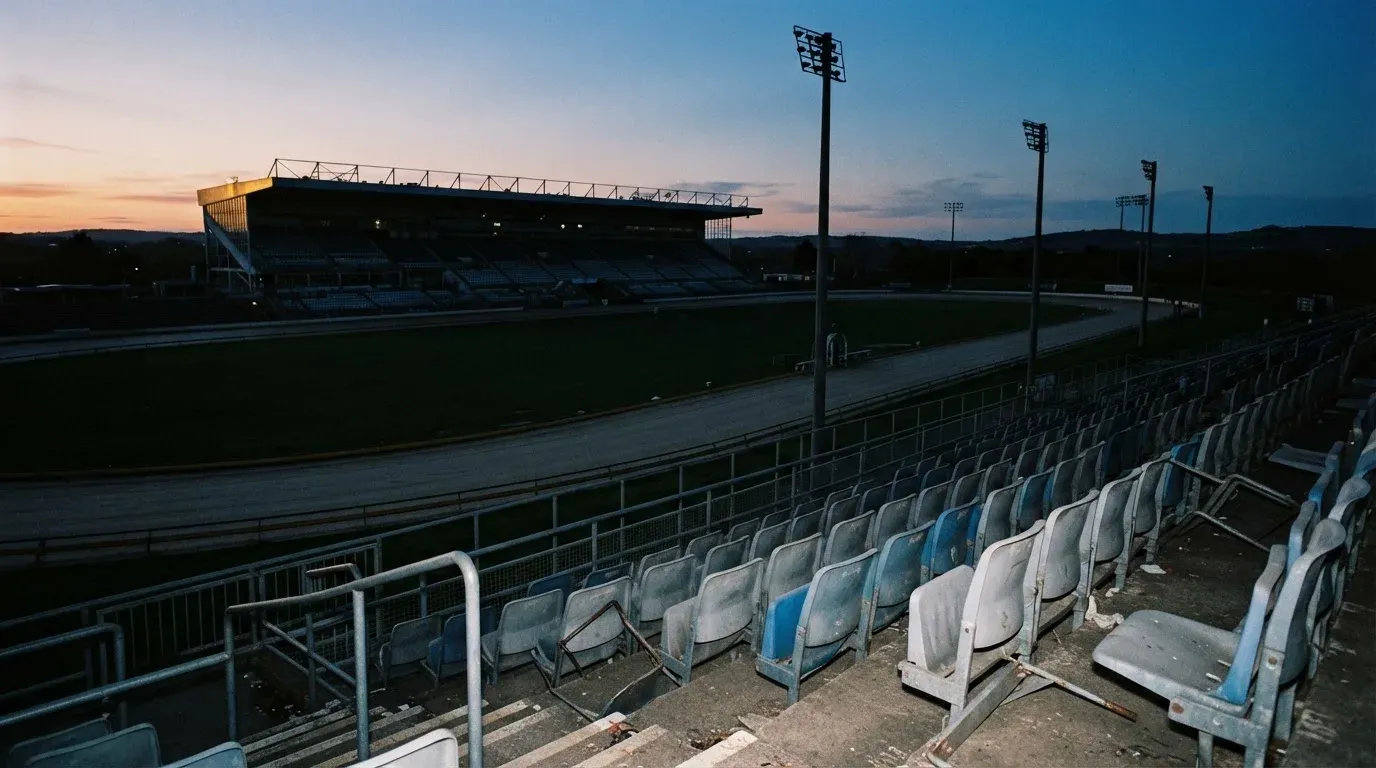
The table arranges ten brands that turn up in a typical “best greyhounds betting sites” search. The first two are the two online brands of TAB NZ — the only provider lawfully offering such services in this country since the Racing Industry Amendment Act 2025 inserted section 74AAA into the Racing Industry Act 2020. TAB and Betcha are not rivals; they are operated by the same holder (TAB New Zealand) and run under a long-term partnership with Entain signed in 2023. The remaining eight brands name licences that are not New Zealand licences and do not authorise them to serve New Zealand. Each is marked accordingly.
| Brand | New Zealand status | What the operator’s own terms say on greyhounds |
|---|---|---|
| TAB | One of two online brands of TAB NZ, the only provider lawfully offering racing and sports betting to people in New Zealand under section 74AAA of the Racing Industry Act 2020 (in force 28 June 2025); no licence register exists because there is only one lawful provider | Publishes Win, Place, Each Way, Quinella, Exacta, Trifecta, First Four, Quaddie and Big6 markets on greyhound racing; fixed-odds and tote (pool) bets; bonus-bet promotions in its app; greyhound meetings carried while the closure phase-out runs |
| Betcha | One of two online brands of TAB NZ, the only provider lawfully offering racing and sports betting to people in New Zealand under section 74AAA of the Racing Industry Act 2020; same holder as TAB and not a rival brand | Covers horse, greyhound and harness racing plus rugby, NRL, MMA/UFC, NBA, NFL, tennis, cricket, football, motorsports and esports; published by Entain New Zealand Limited in the NZ App Store from 6 August 2024 |
| BetAlright | Not licensed in New Zealand — only TAB NZ may offer racing and sports betting to people in New Zealand; brand names no licence applicable in New Zealand; no NZ complaints route | Sportsbook covers football, tennis, table tennis, basketball, ice hockey, American football and baseball; Live Betting and Virtual Sports sections; no published greyhound product, and the 2026 ban closes the door for any New Zealand player anyway |
| FunBet | Not licensed in New Zealand — only TAB NZ may offer racing and sports betting to people in New Zealand; brand names no licence applicable in New Zealand; no NZ complaints route | Odds on football, ice hockey, American football, basketball, volleyball, tennis, rugby and baseball; live betting; no published greyhound product |
| Winz.io | Not licensed in New Zealand — only TAB NZ may offer racing and sports betting to people in New Zealand; brand names Anjouan and Tobique licences (holder Novatrix SRL); no NZ complaints route | Sportsbook with a separate Sportsbook T&C, Sports Rules and Bonus Terms pages; no published greyhound product |
| RoyalistPlay | Not licensed in New Zealand — only TAB NZ may offer racing and sports betting to people in New Zealand; brand names a Tobique Gaming Commission e-gaming licence (No. 0000002), holder Novatrix SRL; no NZ complaints route | Live betting, sports promotions, results and schedule; top sports football, basketball, tennis, handball, ice hockey, volleyball and table tennis; no published greyhound product |
| Telbet | Not licensed in New Zealand — only TAB NZ may offer racing and sports betting to people in New Zealand; brand names no licence applicable in New Zealand; no NZ complaints route | Crypto casino and sportsbook; no published greyhound product |
| Roobet | Not licensed in New Zealand — only TAB NZ may offer racing and sports betting to people in New Zealand; brand names a Curaçao licence (OGL/2024/687/0427), holder Raw Entertainment B.V.; no NZ complaints route | Covers soccer, basketball, tennis, Counter-Strike, FIFA, baseball, ice hockey, MMA and table tennis; no published greyhound product |
| Rooster.bet | Not licensed in New Zealand — only TAB NZ may offer racing and sports betting to people in New Zealand; brand names a Tobique Gaming Commission e-gaming licence (No. 0000002), holder Novatrix SRL; no NZ complaints route | Live, Sports Promotions, Results, Schedule, E-sports and Predictions sections; odds shown in six formats; no published greyhound product |
| LegendPlay | Not licensed in New Zealand — only TAB NZ may offer racing and sports betting to people in New Zealand; brand names an Anjouan Gaming Authority licence; no NZ complaints route | Sports, Live Betting and Virtual Sports sections; football, tennis, basketball and ice hockey; no published greyhound product |
The first two rows are the only names a New Zealand-based punter may place greyhound bets with in 2026. The other eight do not name greyhounds in their published markets, and the lawful New Zealand monopoly means none can add a greyhound market for a New Zealand account. The greyhounds column thus has only two meaningful entries — TAB and Betcha — and the table reflects this distinction.
The angle of this site is cost. The first thing that costs a New Zealand punter on greyhounds in 2026 is the closure itself: any account held with an offshore brand for greyhound purposes is going to be a book on a market that disappears, regardless of which licence the brand names. The second cost is the absence of competition: a single-operator market tends to widen margins relative to a multi-bookmaker market, and that is the line that follows in the odds section later. The third cost is the legal frame: placing with an offshore brand breaks section 74AAA at the operator’s end, while the player side is more permissive but loses all New Zealand harm-minimisation tools. The table above is the surface that cost lands on, so the rest of the page reads back to it.
Greyhounds Betting in New Zealand: The Landscape
New Zealand runs an unusual gambling market. The Racing Industry Act 2020 names TAB NZ as the holder of the betting monopoly; the Racing Industry Amendment Act 2025 tightened that monopoly by inserting section 74AAA, which took effect on 28 June 2025. From that date, no person other than TAB NZ may offer racing betting, sports betting or other racing or sports betting to a person in New Zealand, regardless of where that person is resident or incorporated. The Department of Internal Affairs told providers serving New Zealand to withdraw with immediate effect. There is no second-licence register because the regime does not allow a second licence to be issued.
The monopoly covers two online brands. TAB is the legacy name. Betcha is the newer app, published by Entain New Zealand Limited, the same operator that runs the TAB business under a 25-year agreement signed in 2023. That agreement gives Entain a 50/50 share of gross profits, with at least NZ$150m a year going to TAB NZ for the first five years, and Entain pledged a one-off NZ$100m payment to the racing sector. The two brands are one operator group with two front ends: a TAB account and a Betcha account share the same wallet infrastructure and the same self-exclusion register.
Greyhound racing itself was a smaller part of that. Before the ban, Greyhound Racing New Zealand (GRNZ) organised seven affiliated clubs: Auckland, Waikato, Whanganui, Palmerston North, Canterbury, Otago and Southland. Winston Peters announced on 10 December 2024 that greyhound racing in New Zealand was to be banned and phased out by 2026, and the 2026 Closure Act passed on 2 April 2026 with the phase-out set for 1 August 2026. After that date, TAB NZ cannot lawfully offer greyhound betting on New Zealand races, and the offshore operators that have been accepting bets on international greyhound meetings lose the lawful basis to take bets from residents of this country too.
The cost angle lands here in three ways. First, any punt a New Zealand-based reader places on greyhounds in 2026 has a smaller runway than the same bet on any other racing code: by the time the next racing season comes around, the product is gone. Second, the two-brand structure means every greyhound bet in New Zealand is taken by the same operator and priced against the same tote pool; a reader cannot shop the odds as they might for NRL or NBA. Third, the international comparison set is largely meaningless for New Zealand residents because none of those brands is licensed to take the bet; including them in a “best of” list is accurate for a global reader and misleading for a New Zealand one.
The Statute and the Regulator
The Department of Internal Affairs (DIA) is the gambling regulator under the Gambling Act 2003. It monitors compliance with the betting prohibition under the Racing Industry Act 2020, including section 92A. The Racing Industry Act 2020 establishes TAB NZ as the sole betting provider for racing and sports. The Racing Industry Amendment Act 2025 inserted section 74AAA, which closes the door on other operators regardless of where they are incorporated. DIA’s communications with providers serving New Zealand were direct: withdraw with immediate effect.

Three pieces of legislation are now relevant. The Gambling Act 2003 is the framework statute for gambling in New Zealand and gives DIA its monitoring role. The Racing Industry Act 2020 is the betting-specific statute and holds the monopoly. The Online Casino Gambling Act 2026 is a casino-only law: it does not extend the betting monopoly and it does not create a second route for sports betting; TAB New Zealand’s right to apply for a casino licence under that act is a casino question, not a sports-betting one, and the page treats it as such.
There is no licensing route for another bookmaker. The law does not geo-block offshore websites, which means a New Zealand resident can technically reach a brand like BetAlright or Roobet, but doing so places the bet in breach of section 74AAA on the operator’s side. The penalty for an offshore bookmaker breaching the section is not stated in the section itself, and no prosecution of an offshore bookmaker has been published. New Zealand does not block the websites, so the responsibility lies on the operator and the consumer.
For the player, section 19(4) of the Gambling Act 2003 (inserted in 2025) makes clear that an individual may not be convicted for placing a bet with an offshore betting operator in breach of section 74AAA. No source states a penalty for a player. The honest framing is: the law targets the operator, DIA warns players of the risks, no published penalty for a player was found. Neither “illegal for the player” nor “legal for the player” is a true statement of the law as it stands. The cost of that ambiguity is mostly on the offshore side: the offshore operator carries the breach, while the player loses the New Zealand harm-minimisation tools and the New Zealand complaints route.
The regulator also keeps the player-side risks on the record. DIA warns that overseas operators may be in jurisdictions with minimal consumer safeguards, may not return unspent credits and may not pay out large wins. That is the DIA statement, not a competitive put-down: it is what the regulator publishes on its consumer pages because the risk is real and it is the one consistent warning DIA repeats. None of those warnings carries a published enforcement against a player.
Responsible Gambling in New Zealand
The age for TAB NZ betting is 18. Betting under 18 is an offence under section 89 of the Racing Industry Act 2020. Land-based casinos have a different age floor (20); the betting age and the casino age are not the same, and the page does not merge them. The TAB NZ app carries a 17+ App Store age rating while stating that customers must be 18 or over to bet — the App Store rating reflects the age-gate at install time, not the betting age itself.
TAB NZ accounts need a verified New Zealand address and ID. The verification sits on top of the monopoly: it is what makes the single-operator regime enforceable at the account level. A New Zealand-based punter cannot open a TAB account with a foreign address, and the offshore brands cannot lawfully open a New Zealand account. A reader who sees an offshore account open to them in spite of that has a brand that is, in the regulator’s terms, serving New Zealand in breach of section 74AAA.
The harm-minimisation tools the monopoly puts on the table are real. TAB NZ lists deposit limits, time-outs and self-exclusion in its apps, and an exclusion applies across both TAB NZ brands (TAB and Betcha). The free Gambling Helpline is 0800 654 655, with a text line on 8006; Safer Gambling Aotearoa is the published treatment and prevention body. TAB NZ must keep the risks of problem and underage gambling minimised, and pays a Problem Gambling Levy of 0.74% in force from 1 July 2025 to 30 June 2028.
Two limits matter for the cost angle. The first is the absence of a single national online-betting exclusion register. The register the 2026 casino law will require is for online casinos only; TAB NZ’s own exclusion is per-operator, so a self-excluded TAB punter who opens a Betcha account will find the exclusion carried across. The second is the operator-only scope of any harm-minimisation framework. The offshore brands name no New Zealand harm-minimisation tools, no New Zealand complaints route, and no obligation to honour a New Zealand self-exclusion. The cost of choosing an offshore brand is not just legal ambiguity — it is the absence of a support system that the New Zealand-licensed monopoly puts on the table for free.
Strategy, Forecasts and the “Best Greyhound Bets” Question
“Best greyhound bets today” and “best greyhound betting strategy” are common search terms. The honest answer in 2026 is that the market is closing. A reader who has built a strategy around New Zealand greyhounds is building on a market with an end date of 1 August 2026, after which the same product is no longer available at the only lawful New Zealand operator and is not lawfully available offshore for a New Zealand-based account.
Greyhound racing has long analytical traditions. A mechanically operated artificial lure runs along a rail ahead of the dogs, which produces a more standardised contest than horse racing — fewer jockey decisions, fewer ground-state variables. The traditional strategies lean on trap draw (the starting position the dog lines up in), the running style of the dog (a rail-runner versus a wide-runner), track conditions and class steps. None of that disappears in 2026; the same logic still works on the international greyhound meetings that have always been on a bookmaker’s feed. The point is that the New Zealand racing fixtures that anchored local strategy for decades are no longer racing from 1 August 2026.
Three things a reader ought to know about strategy claims in the greyhounds market. First, no system “wins” in the long run against a bookmaker’s margin: every bet placed through a fixed-odds bookmaker or through a tote pool carries a built-in take-out, and that take-out is the price of admission. Strategies that promise a long-run edge against a bookmaker without a quantitative edge in pricing or information are not strategies; they are narratives that survive on confirmation bias. Second, the “today” in “best greyhound bets today” is a useful fiction: by the time a tip is published, the market has had time to move, and any edge the tipster had has been priced in by the bookmaker. Third, the racing code itself is being closed in New Zealand for animal-welfare reasons (the legislative history of the ban is a welfare argument rather than a market argument), which means strategies tied to local New Zealand form are working on a dataset that stops growing.
The cost to the reader of chasing strategy content in this market is mostly opportunity cost. A dollar spent on a strategy product is a dollar not spent on a TAB NZ deposit limit, a self-exclusion setting, or a Gambling Helpline call. Greyhound betting in New Zealand in 2026 is a market where the only profitable long-run position is one a reader is not betting into. The page is not telling the reader what to bet on; it is naming that the market is closing, that no published strategy beats the margin, and that any system claiming otherwise has a price the reader pays first.
Bet Types, Odds and the Price of a Greyhound Market
Greyhound betting uses the same vocabulary as horse racing in most English-language markets, with a few local additions. The TAB NZ published rules name Win, Place, Each Way, Quinella, Exacta, Trifecta, First Four, Double, Treble, Daily Double, Running Double, Quaddie and Big6, plus Multis and Same Game Multis. Same Game Multis are a New Zealand and Australian invention: a multi bet whose legs all come from the same event. A greyhound quinella is a bet on the first two past the post in either order; an exacta is the same bet in the correct order; a trifecta adds the third place in the correct order. A First Four is the same on the first four. Quaddie and Big6 are jackpot-style pooled bets that pay a dividend declared after the result.
The odds in 2026 on a TAB NZ greyhound meeting are the same shape as any other bookmaker. Decimal odds are the form used in New Zealand. A $10 bet at $2.10 returns $21 (the stake is included in the decimal price), so a winning bet at $2.10 pays $11 of profit on a $10 stake. The arithmetic is return = stake × odds; net profit = stake × (odds − 1). A combination bet multiplies the prices: a $10 multi with two legs at $1.80 and $2.20 is a bet at the combined price of $3.96, and the same profit formula applies to that combined price.
The market margin is the cost a reader pays for the convenience of a fixed-odds market. For a two-way market at decimal odds of 1.90 and 1.90, the formula gives a payout share of 1 ÷ (1/1.90 + 1/1.90) = 1 ÷ 1.0526 = 0.9500, or 95.0%. The margin — the share the bookmaker keeps of every dollar bet on this market — is 1 − 0.9500 = 5.0%, or 5 cents of every dollar. That is a market margin in the middle of the range for two-way sports markets, and it is a reasonable benchmark for a single two-outcome greyhound bet. A wider price (for example, 1.85 and 1.95) carries a larger margin; a tighter price (1.95 and 1.95) a smaller one.
The band the page reports, then, is roughly 2.5% to 7.5% for a two-way greyhound market on a TAB NZ card, depending on how close the bookmaker’s price is to the “true” line. The illustrative 5.0% at 1.90/1.90 sits in the middle of that band. The important point is that no single figure describes “the greyhound market margin” — the margin depends on the specific race, the specific bet type, and the time of day, because the bookmaker’s price changes as money comes in. A morning price and a final price on the same dog are not the same margin.
The 5% benchmark above is also the kind of figure a reader ought to use to interrogate strategy claims. A strategy promising 10% returns on turnover is promising to beat a 5% margin by a factor of two, which is not something a systematic bettor does against a regulated bookmaker without a price or information edge. The math does not support the narrative. The reader pays for the marketing whether they believe it or not.
The same shape of arithmetic applies to combination bets, but the margin compounds. A two-leg multi at $1.80 and $2.20 has a fair combined price of $3.96 (1.80 × 2.20). The bookmaker’s published combined price will be a little shorter than that, and the size of the haircut is the margin on the multi. A punter looking at the price of a multi ought to look at the fair combined price alongside the published one: the gap is what the combination costs. The bookmaker’s edge on a multi is a different number from the bookmaker’s edge on each leg, and the punter pays both.
Tote bets (Win, Place, Quinella, Trifecta, Quaddie, Big6) carry a different cost structure. The take-out on a TAB NZ tote pool is the deduction before the dividend is declared, and that take-out is a percentage of the pool. The published dividend is whatever is left after the take-out, divided among the winning tickets. A tote bet is a share of a pool rather than a fixed-odds transaction, and the cost to the reader is the take-out rather than a margin. The two cost shapes (margin and take-out) are not the same number; they are different costs the reader pays to be in the market.
The starting price (SP) is the term for the final fixed-odds price on a runner at the jump, and it is the price applied to bets taken on course at SP. SP applies to both horse and greyhound racing in the New Zealand frame, and it is the price TAB NZ uses for late bets that did not take a fixed price. SP tends to be a more conservative price than the morning fixed odds, because late money tends to be more informed; the SP on a hot favourite will be a smaller price than the morning quote on the same dog.
Greyhound Fixtures: Sports, Tournaments and What the Calendar Looks Like in 2026
Greyhound racing in New Zealand in 2026 runs a compressed schedule. The phase-out is set for 1 August 2026, so the seven affiliated clubs (Auckland, Waikato, Whanganui, Palmerston North, Canterbury, Otago and Southland) are running their final meetings on a winding-down timetable. The 2026 calendar is shaped by that end date: most New Zealand clubs will have wound down their cards before August, and the larger national meetings that anchor the calendar in a normal year have either moved earlier or are being staged as farewell events.
Internationally, the greyhound calendar does not stop. The major Australian greyhound meetings (the Melbourne Cup equivalent in greyhounds, the National Greyhound Finals, the Golden Easter Egg, the Perth Cup) are the meetings a New Zealand TAB account carried on its international feed, and a New Zealand reader who wants international greyhounds in 2026 will see them on the TAB NZ app. UK greyhound meetings — regulated by the Greyhound Board of Great Britain (GBGB) across 18 licensed stadia — are also on the international feed. The international greyhound market is alive and well; the New Zealand leg of it is closing.
Two practical points follow for a reader comparing “best greyhound betting sites” in 2026. The first is that the New Zealand-only meeting list is on a closing timeline, so any account-only promotional tied to New Zealand greyhound racing is on the same timeline. The second is that the international greyhound market is offered by brands that are not licensed in New Zealand, and a New Zealand-based reader cannot lawfully take those bets through an offshore account under the post-28 June 2025 regime. A punter who wants international greyhounds in 2026 has, in practice, a single lawful New Zealand channel for them — the TAB NZ app — and a list of offshore brands that name the same international races on their sportsbook but cannot lawfully serve a New Zealand account.
The “best trap to bet on greyhound racing” search term is a different question and a recurring one. In greyhound racing, the trap draw matters because the inside traps carry less distance to the first bend. The historical evidence on the “best trap” is that trap 1 wins more often than the others on most tracks, and trap 8 wins the least. That is a useful starting point for a reader evaluating a card, not a strategy. A trap-by-trap win rate does not change by year, and it does not change by meeting, and it is a small effect at the level of any single race. The market has it priced in; the punter does not beat the market by knowing it.
The phase-out itself is the central fixture fact of 2026 for New Zealand greyhounds. The 2026 Closure Act sets the phase-out to 1 August 2026; from that date, no further greyhound meetings are run under the GRNZ framework, no further TAB NZ greyhound fixed-odds or tote betting is offered on New Zealand races, and the offshore brands cannot lawfully offer those services to a New Zealand account. The reader looking at greyhound fixtures in 2026 is looking at a market that is more time-limited than any other racing code in New Zealand.
The Operators: What Each One Costs the New Zealand Punter
Each operator in the table gets a closer read below. The two lawful New Zealand brands (TAB and Betcha) carry the full review. The eight offshore brands carry a shorter read because the page does not need to describe a brand at length when the central fact is that it cannot lawfully serve a New Zealand account; a long description of an offshore brand on a page about New Zealand betting is the wrong kind of page. The angle stays the same: cost, closure, and what each brand actually puts on the table for a New Zealand reader.
TAB (TAB NZ brand)
TAB is the legacy brand of the TAB NZ monopoly, and the one most New Zealand-based punters have an account with. The product covers horse, harness and greyhound racing while the greyhound code is still running, plus rugby union, rugby league and other sports, with both pre-match and live betting listed in the app. The “TAB – Racing & Sports Betting” app is published in the New Zealand App Store under the seller name New Zealand Racing Board and was first released on 8 September 2014, so it is a mature product with a long update history.
The cost angle on TAB is twofold. First, the lack of competition: every greyhound bet a New Zealand punter places with TAB is taken at a price set by a single bookmaker and against a tote pool the same bookmaker runs. There is no second New Zealand brand to shop the price against. Second, the closure: TAB will not offer greyhound betting on New Zealand races after 1 August 2026, so any TAB greyhound position is a position on a market that is closing. International greyhound meetings on the TAB feed continue, but the New Zealand leg of the card is on a winding-down schedule.
TAB lists the harm-minimisation tools a New Zealand reader expects: deposit limits, time-outs, self-exclusion, the 0800 654 655 Gambling Helpline and the 8006 text line. The age is 18. Account opening requires a verified New Zealand address and ID, which is the regulatory mechanism behind the monopoly. The 25-year Entain partnership is what makes the platform modern enough to run live streaming (Trackside), in-app betting, racing form, Blackbook and Jockey Challenge tools, and a simplified wallet for deposits and withdrawals.
For a New Zealand-based reader who wants greyhound betting in 2026, TAB is the only lawful option that runs the local meetings while the phase-out is in progress. The price of that convenience is the closure timeline and the lack of a second bookmaker to price-shop against. The verdict for the brand is that TAB is the lawful channel for New Zealand greyhounds, with the harm-minimisation tools the regulator expects and the limitations of a single-operator market built in.
Betcha (TAB NZ brand)
Betcha is the newer TAB NZ brand, launched in 2024. It is published by Entain New Zealand Limited on the New Zealand App Store and is positioned as a sports-and-racing app for a younger audience. The product covers horse, greyhound and harness racing plus rugby, NRL, MMA/UFC, NBA, NFL, tennis, cricket, football, motorsports and esports. The greyhound product on Betcha is the same TAB NZ card, with the same fixed-odds and tote prices, because it is the same operator.
The cost angle on Betcha is similar to TAB but with a different emphasis. A reader who wants a modern app experience with a single wallet gets it; a reader who wants a different price on the same dog does not, because the two brands are not pricing against each other. The harm-minimisation framework is shared with TAB: an exclusion on one brand carries across to the other, and the deposit-limit and time-out tools are the same. The minimum age is 18.
The 2024 launch date is a clue. The closure timeline was already known when Betcha went into the App Store, so the platform was launched into a market that was about to lose a racing code. The page does not need to read the launch as a miscalculation: Betcha is positioned as a multi-sport app with greyhounds as one of several racing codes, and the closure affects one leg of the product.
For a New Zealand-based reader who wants a sports-led app with greyhounds as part of the racing menu, Betcha is the lawful channel with a modern interface. The verdict for the brand is that Betcha is the second lawful channel for New Zealand greyhounds, and the two brands ought to be read as one operator with two front ends rather than as competing bookmakers.
BetAlright
BetAlright’s sportsbook covers football, tennis, table tennis, basketball, ice hockey, American football and baseball, with Live Betting and Virtual Sports sections. Greyhound racing is not in the published sportsbook. The brand names no licence applicable in New Zealand, and the only provider lawfully authorised to operate here is TAB NZ. A New Zealand-based reader opening a BetAlright account is opening an account with a brand that cannot lawfully take their bets, and the greyhound column is empty by the brand’s own product choice and by New Zealand law.
The cost angle on BetAlright for a New Zealand-based reader is unambiguous. The reader cannot place a New Zealand greyhound bet through BetAlright because BetAlright does not publish a New Zealand greyhound market. The reader cannot place an international greyhound bet through BetAlright with a New Zealand account because that breaches section 74AAA on the operator’s side. The reader has no New Zealand complaints route and no New Zealand harm-minimisation framework reaches the brand. The verdict is that BetAlright lacks a lawful framework for New Zealanders, and including it on the page serves as a reference for comparison rather than a recommendation.
FunBet
FunBet’s sportsbook offers odds on football, ice hockey, American football, basketball, volleyball, tennis, rugby and baseball, with live betting and a 24/7 bookmaker. Greyhound racing is not in the published sportsbook. The brand names no licence applicable in New Zealand. The same legal frame as BetAlright applies.
The cost angle for a New Zealand-based reader is the same. The sportsbook is broader than the published New Zealand monopoly on some sports (the New Zealand TAB does carry most of these sports, but with a smaller market depth than an offshore sportsbook that names 30+ sports), and the absence of greyhounds is the same. The verdict is that FunBet offers no greyhound market and lacks a New Zealand licence.
Winz.io
Winz.io runs a sports betting bonus promotion and publishes separate Sportsbook T&C, Sports Rules and Bonus Terms and Conditions pages. The brand names Anjouan and Tobique licences held by Novatrix SRL, neither of which authorises it to serve New Zealand. Greyhound racing is not named in the published product. The same legal frame applies: only TAB NZ may offer such services to people in New Zealand.
The cost angle is again the same: no New Zealand licence, no New Zealand harm-minimisation framework, no New Zealand complaints route, no published greyhound product.
RoyalistPlay
RoyalistPlay’s sportsbook offers live betting, sports promotions, results and a schedule, with football, basketball, tennis, handball, ice hockey, volleyball and table tennis among the top sports, plus separate e-sports and Predictions sections. The brand names a Tobique Gaming Commission e-gaming licence (No. 0000002) held by Novatrix SRL, which does not authorise it to serve New Zealand. Greyhound racing is not named in the published product.
The cost angle is unchanged.
Telbet
Telbet describes itself as a crypto casino and sportsbook, with a welcome offer of 200% up to 1 BTC plus 50 free spins and a 5 USDT free bet on its Russian-language site. The brand names no licence applicable in New Zealand. Greyhound racing is not named in the published product. The legal frame applies.
The cost angle is the same. Crypto-only operations add a currency-conversion cost on top of the legal and harm-minimisation issues, and that cost is paid twice — once at deposit and once at withdrawal. The verdict is that Telbet’s crypto-based operation introduces unnecessary conversion costs alongside its lack of local authorisation.
Roobet
Roobet’s sportsbook covers soccer, basketball, tennis, Counter-Strike, FIFA, baseball, ice hockey, MMA and table tennis, and its terms require players to be 18 or older. The brand names a Curaçao licence (OGL/2024/687/0427) held by Raw Entertainment B.V., which gives no right to take bets from people in New Zealand.
The cost angle is the same. The verdict is that Roobet does not support greyhound betting for the New Zealand market.
Rooster.bet
Rooster.bet’s sportsbook has Live, Sports Promotions, Results, Schedule, E-sports and Predictions sections and shows odds in six formats. The brand names a Tobique Gaming Commission e-gaming licence (No.
The cost angle is the same.
LegendPlay
LegendPlay’s sportsbook has Sports, Live Betting and Virtual Sports sections, with football, tennis, basketball and ice hockey listed. The brand names an Anjouan Gaming Authority licence, which gives no right to take bets from people in New Zealand.
The cost angle is the same. The verdict is that LegendPlay is not a viable channel for a New Zealand greyhound bettor, and the international comparison set closes here.
What the Margin on a Greyhound Market Actually Costs
A two-way greyhound market — the simplest case, win-or-lose on a single dog — has a margin that the punter pays on every dollar bet. The arithmetic was set out earlier; the page carries it here in a worked form because the cost of the market is the central fact the page exists to put on the table.
For a two-way market at decimal odds of 1.90 and 1.90, the payout share (the share of every dollar bet that the bookmaker returns to punters in winnings, on average across many bets) is 1 ÷ (1/1.90 + 1/1.90) = 1 ÷ 1.0526 = 0.9500, or 95.0%. The margin is 1 − 0.9500 = 0.0500, or 5.0%. That is the share the bookmaker keeps of every dollar bet on this market. On a $100 bet, the expected cost is $5.
A wider two-way price — say 1.85 and 1.95 — has a payout share of 1 ÷ (1/1.85 + 1/1.95) = 1 ÷ 1.0525 = 0.9501, or 95.01%, for a margin of 4.99%. A bookmaker who prices a hot favourite and an outsider at the same level is pricing them at a similar margin. A bookmaker who prices a hot favourite tighter (say 1.40 and 3.00) is pricing the favourite at a different margin from the outsider: 1 ÷ (1/1.40 + 1/3.00) = 1 ÷ 1.0476 = 0.9545, or 95.45%, for a margin of 4.55%. Asymmetric prices are common in racing, and the margin is the same shape on each leg.
A three-way greyhound market (Win on a specific trap, with a third outcome being “other”) has a payout share of 1 ÷ (1/odds₁ + 1/odds₂ + 1/odds₃) and a margin of 1 minus that. A $10 win bet at 3.50 on one trap, with the field priced at 1.50 and the third outcome at 8.00, has a payout share of 1 ÷ (1/3.50 + 1/1.50 + 1/8.00) = 1 ÷ 1.0357 = 0.9655, or 96.55%, for a margin of 3.45%. Three-way markets tend to have lower margins than two-way markets because the longshot outcome is priced with more vigour.
The market margin is a statistical estimate. It is the expected cost across many bets at those prices, not the cost of any single bet. A punter who wins a $10 bet at 3.50 is up $25, and a punter who loses a $10 bet at 3.50 is down $10; the 3.45% margin is the average over thousands of such bets, not a guarantee on a single outcome. The page reports the band rather than a single number because the market’s actual margin moves with the price, and the price moves as money comes in. A morning price and a final price on the same dog are not the same margin.
The Tote take-out is the parallel cost on a TAB NZ pool bet. The take-out on a Quaddie or Big6 is a percentage of the pool that is removed before the dividend is declared, and the dividend is the residue divided among the winning tickets. The take-out is the equivalent of the bookmaker’s margin in a tote market, and it is the cost the punter pays for the chance to share in a pool. The published take-out on TAB NZ pools is in the operator’s terms, and it is the figure to read on the betting rules page before staking.
What the Closure Actually Means for the New Zealand Punter
The phase-out of greyhound racing in New Zealand is a one-time event, and the cost of it lands on three groups. The first is the racing clubs: Auckland, Waikato, Whanganui, Palmerston North, Canterbury, Otago and Southland. The second is the dogs and the people who care for them, which is the welfare frame the legislation is built on. The third is the punter, who loses a racing code and, with it, the option of greyhound betting on a New Zealand card from 1 August 2026.
For a punter in 2026, the practical effect is a short runway. Any greyhound bet placed on a TAB NZ card in the first half of 2026 is a bet on a market that is in its final months. Any multi leg involving a New Zealand greyhound meeting is a leg on a market that is going to be voided or settled at the closure date. The punter’s working life on this product is months, not years, and the strategic advice that has always been sound — to bet only what the punter can afford to lose, to set a deposit limit, to know when to walk away — has the same force it always had, with a sharper edge because the market is closing.
The punter who is displaced by the closure has a few options. The first is to switch to another racing code on the TAB NZ card: horse racing, harness racing. The second is to switch to a non-racing sport: rugby, cricket, football, basketball. The third is to stop betting. The first two are options a reader is free to take, the third is an option the Gambling Helpline is set up to support, and the page does not push a reader in any direction. The cost of the closure is what the closure does to a punter’s options, and the page names them.
A punt on an international greyhound meeting through the TAB NZ card is unaffected by the closure. International greyhound meetings continue, and a New Zealand TAB account can take fixed-odds bets on them. The international greyhound market is not the same product as the New Zealand greyhound market, and the punter’s familiarity with the New Zealand form line does not transfer directly. The cost to the punter of switching to international greyhounds is the cost of building a new form line from scratch.
The offshore brands that name international greyhound meetings in their sportsbooks cannot lawfully take those bets from a New Zealand account. A New Zealand-based reader who opens an account with one of those brands for the international greyhounds is opening an account in breach of section 74AAA at the operator’s end, and the brand is serving New Zealand in breach of the same section. The punter has the same offshore access the law does not geo-block, but the bookmaker on the other end is breaking the law by accepting the bet. The punter’s recourse to a New Zealand complaints body is zero, and the punter’s recourse to a New Zealand harm-minimisation tool is zero.
Betting Tax, GST and the Inland Revenue Side
Inland Revenue guidance says recreational gambling winnings are generally not taxable. Prize money from TAB horse, dog and trotting races is not taxable. A person who bets as a business is a different case, and the page treats that as a separate matter the reader ought to consult Inland Revenue or an accountant about. The page is not tax advice, and the Inland Revenue rules are general information.
On the operator side, TAB NZ pays the Problem Gambling Levy (0.74%, in force from 1 July 2025 to 30 June 2028). Overseas operators supplying New Zealand residents pay online gambling duty (12% of profits since 1 July 2024, 16% from 1 January 2027). A duty being payable does not make an offer lawful, and the page does not present offshore tax payment as evidence of New Zealand legality. The point-of-consumption charge on offshore racing and sports bets ceased on 30 June 2026, so the offshore tax frame in 2026 is the 16% online gambling duty from 1 January 2027, having been 12% before that date.
GST is the goods and services tax. New Zealand GST applies to most goods and services at 15%, and gambling is generally not subject to GST on the supply side in the same way as other retail. The punter pays GST on the deposit and withdrawal fees their bank may apply, and on the conversion cost if they deposit in a non-NZD currency through an offshore account. The page is not tax advice, and the reader who needs a precise figure on the GST treatment of a specific betting transaction ought to consult Inland Revenue.
The Punter’s Practical Choices in 2026
The cost frame, put in practical terms for a New Zealand-based reader in 2026, comes down to four options. The first is to bet with TAB NZ on New Zealand greyhound meetings while the meetings are still running, accepting the closure timeline as a known end date. The second is to bet with TAB NZ on international greyhound meetings, accepting that the form line is different and the only lawful channel is the same single-operator monopoly. The third is to bet on a non-greyhound sport on TAB NZ (or a non-greyhound racing code), accepting that the cost frame is broader and the same single-operator dynamics apply. The fourth is to stop betting, and the Gambling Helpline is the support line if the reader is reading the page because the closure has displaced them and the displacement is harder than they expected.
The four options are listed in this order for a reason. The first two are the closest substitute for what the reader came to the page to find; the third is a step away from the subject; the fourth is not a betting recommendation but a service to a reader who needs it. The page is not pushing a reader in any direction, and the framing is honest about the closure being a real event with a real end date.
A New Zealand-based reader who has been using an offshore brand for greyhounds in earlier years has a different set of choices. The offshore brand cannot lawfully serve the New Zealand account from 1 August 2026, and the offshore brand’s terms and the New Zealand monopoly both point in the same direction. The reader’s options are to close the offshore account, to migrate the bankroll to TAB NZ, or to stop betting on greyhounds. The page does not endorse any of these, but the closure of the New Zealand racing code makes the offshore option moot for a New Zealand resident who was specifically betting on New Zealand greyhounds. The international greyhound market remains, and the legal frame around it remains.
Frequently Asked Questions
How does a New Zealand punter bet on greyhound dogs in 2026?
The only lawful channel for a New Zealand-based punter is TAB NZ, which operates two online brands: TAB and Betcha. Place the bet through the TAB NZ app or website after opening a verified account with a New Zealand address and ID. The minimum age is 18. Choose a market (Win, Place, Quinella, Exacta, Trifecta, First Four, Quaddie, Big6 or a multi), enter the stake, and confirm. Live betting is available in the app for selected meetings, and the in-app tools include racing form, Blackbook and Jockey Challenge for the international greyhound feed.
How does a New Zealand punter bet on greyhound racing more broadly?
Greyhound racing on the TAB NZ card covers both New Zealand meetings (running through the closure phase-out to 1 August 2026) and international meetings (Australia, the UK and other jurisdictions). International meetings run all year; New Zealand meetings run on a winding-down schedule. The bet types and the harm-minimisation tools are the same on both. A punter who wants international greyhounds only can ignore the New Zealand card and bet on the international feed, but the channel is still TAB NZ.
How to use greyhound racing tips in 2026?
Treat the tip as one input, not a system. The market has priced the tip by the time it reaches the punter, and the margin on a fixed-odds market is the long-run cost. A tip that says “Trap 1, $3.50” is a tip to take Trap 1 at $3.50 or longer; if the price has shortened to $2.80 by the time the punter places the bet, the value is gone. The best use of a tip is to shorten the punter’s form work, not to replace it. The closure of the New Zealand code in 2026 makes the tip market thinner: fewer meetings, fewer tipsters, less information. A punter paying for tips in a closing market is paying for a product with a shorter shelf life.
What happens to betting on greyhound racing in New Zealand as the industry closes?
The 2026 Closure Act sets the phase-out for 1 August 2026. From that date, no New Zealand greyhound meetings are run under the GRNZ framework, and TAB NZ stops offering fixed-odds and tote betting on New Zealand greyhound races. Offshore brands cannot lawfully take greyhound bets from people in New Zealand from the same date. International greyhound meetings on the TAB NZ feed continue; the New Zealand leg of the calendar does not. A punter who has been betting on New Zealand greyhounds will find the local product gone and the international product still available through the same single-operator channel.
Which bookmaker may lawfully take sports and racing bets in New Zealand?
TAB NZ, through its two online brands TAB and Betcha, is the only provider lawfully authorised to provide these services in New Zealand. The monopoly was tightened by section 74AAA of the Racing Industry Act 2020, inserted by the Racing Industry Amendment Act 2025 and in force from 28 June 2025. The Department of Internal Affairs told providers serving New Zealand to withdraw with immediate effect. There is no second-licence register because the regime does not allow a second licence. Offshore brands name licences (Anjouan, Tobique, Curaçao) that give no right to take bets from people in New Zealand, and a New Zealand-based reader opening an account with one is opening an account in breach of section 74AAA on the operator’s side.
How is the return on a greyhound bet worked out from the stake and the odds?
The return on a winning bet is stake × odds, with the stake included in the decimal price. A $10 bet at 2.10 returns $21.00 (a profit of $11.00). A combination bet multiplies the prices: a $10 multi with two legs at 1.80 and 2.20 has a combined price of 3.96, and the same return formula applies to the combined price. The bookmaker’s margin on a two-way market at 1.90/1.90 is 5.0%, which is the expected cost across many bets. Tote bets (Quaddie, Big6) carry a take-out rather than a margin, and the dividend is the residue after the take-out, divided among the winning tickets. Both numbers are statistical estimates, not guarantees on a single bet.
Racing – kiwicricketodds
Content created by the «kiwicricketodds» team
